Into Digital: The Essential Guide For 2025
2025 is set to be the most transformative year yet for the digital world, as new technologies and strategies rapidly reshape the way we work, connect, and grow online.
If you are ready to take the next step into digital, this guide will equip you with the insights and tools needed to confidently navigate the evolving landscape.
Discover breakthrough trends, essential skills, and actionable strategies designed to future-proof your career or business. The pace of change has never been faster, and those who adapt will thrive. Dive in now to stay ahead and make 2025 your most successful digital year yet.
The Digital Landscape in 2025: Trends and Transformations
The pace of change in the digital world is relentless. As we move into digital 2025, businesses and individuals alike are witnessing a wave of innovation that is reshaping every aspect of how we live and work. Understanding these shifts is essential to remain competitive and future-ready.
AI and Automation Take Centre Stage
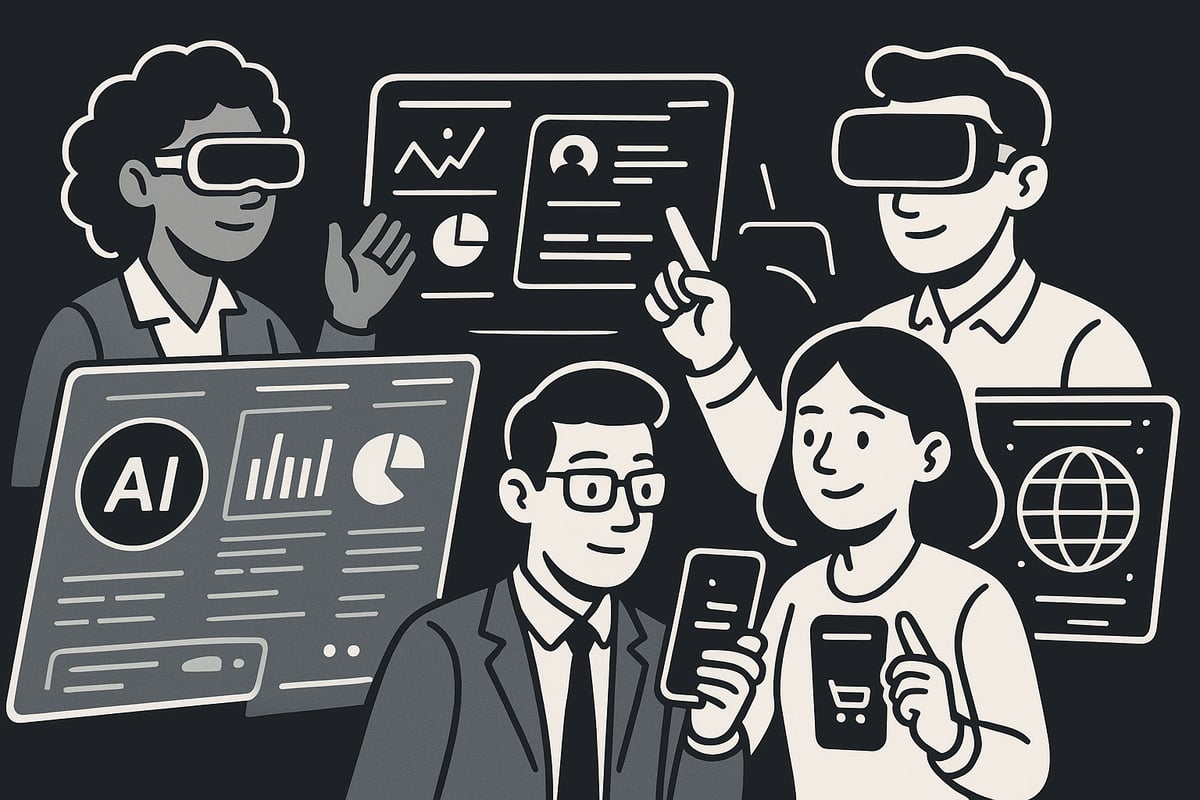
Artificial intelligence and automation are now at the heart of business operations. Companies are integrating advanced AI to enhance decision-making, streamline workflows, and create hyper-personalised experiences. The rise of AI-powered content and chatbots is transforming how brands interact with their audiences. For a deeper look at these advancements, see AI Solutions for Digital Growth. This shift is pushing everyone further into digital, demanding new skills and adaptability.
Immersive Technologies: AR, VR, and Mixed Reality
The digital experience is evolving rapidly, with augmented reality, virtual reality, and mixed reality moving from novelty to necessity. These immersive tools are redefining how users engage with brands, products, and each other. Whether shopping virtually or collaborating in 3D workspaces, people are stepping deeper into digital environments that blur the lines between physical and virtual.
Connected Devices and Smart Environments
The proliferation of IoT devices is another defining trend. Smart homes, offices, and cities are becoming the norm, creating seamless interactions and real-time feedback loops. As we move further into digital, these connected environments open up new possibilities for convenience and personalisation.
Social Media Evolution and the Creator Economy
Social platforms are rapidly shifting towards short-form video, ephemeral content, and community-driven engagement. The creator economy is thriving, empowering individuals to build brands and generate income directly from their audiences. Brands that understand and adapt to these changes are making significant strides into digital influence, connecting with younger, mobile-first demographics.
Privacy, Data Ethics, and Digital Trust
With more data comes greater responsibility. Consumers are increasingly aware of privacy risks and demand transparency from brands. Navigating data ethics and building digital trust are now critical for any organisation moving into digital operations. Compliance and ethical data handling have become top priorities.
E-Commerce Growth and Omnichannel Experiences
E-commerce is booming, but the real transformation is in the blending of physical and digital retail. Omnichannel strategies allow customers to move fluidly between online and offline touchpoints. This seamless journey is essential for those looking to succeed into digital commerce, offering convenience and personalisation at every stage.
Skills Gap and Rapid Adoption of Tools
Despite these advancements, the digital skills gap remains a significant challenge, costing the UK economy an estimated £63 million each year. Rapid adoption of new tools and platforms means that those willing to move into digital roles and upskill can find ample opportunities. Brands like Nike and Apple are leading by example, using cutting-edge innovation to stay ahead of the curve.
Digital: The Core of Every Business Function
The biggest shift is that digital is no longer just a department. It is embedded in every function, from marketing to customer service and product development. To thrive into digital 2025, organisations must foster a culture of innovation and agility, ensuring that everyone can contribute to ongoing transformation.
| Trend | Impact on Business |
|---|---|
| AI and Automation | Increased efficiency, personalisation |
| Immersive Tech (AR VR) | Enhanced engagement, new experiences |
| IoT and Smart Environments | Real-time insights, streamlined ops |
| Social Media Evolution | Direct audience connection, brand growth |
| Privacy and Data Ethics | Trust, compliance, reputation |
| E-Commerce Omnichannel | Seamless customer journeys, loyalty |
Embracing these trends is not optional. As we head into digital 2025, staying informed and adaptable is the key to unlocking growth and resilience.
Essential Digital Skills for 2025: What You Need to Succeed
The pace of digital evolution is relentless. In 2025, the skills you need to thrive are not just technical but demand a holistic, adaptive approach. Whether you are an individual looking to break into digital or a business leader aiming to future-proof your team, understanding these essential skills is the first step.
The digital skills gap continues to widen, costing the UK economy an estimated £63 million per year. This gap is not just a challenge but a powerful opportunity for those willing to upskill and adapt. Embracing a lifelong learning mindset is now essential. Adapting to new tools, platforms, and ways of thinking is the ticket to staying relevant and competitive.
The Skills That Matter Most
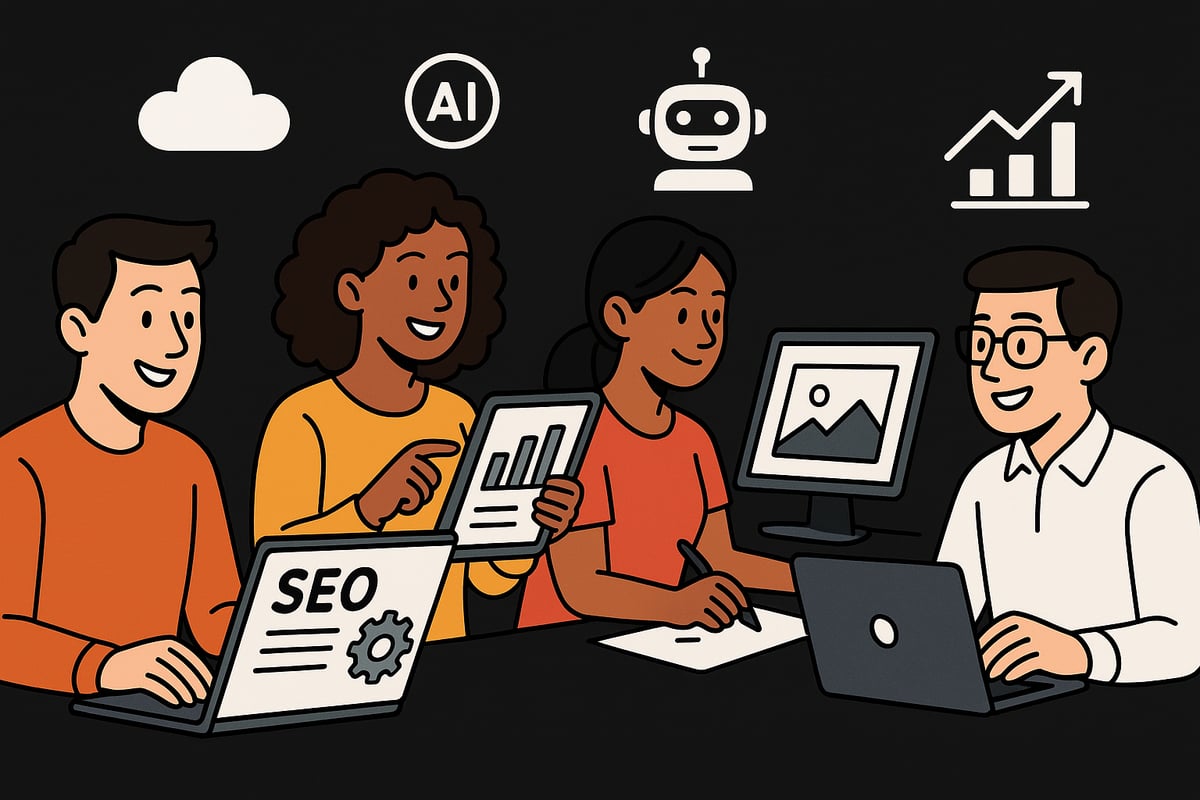
To break into digital with confidence, focus on three core areas: technical, creative, and soft skills. Each category is vital in its own right, but together, they form the foundation for digital success.
Technical Skills:
- SEO and web analytics
- Data analysis and interpretation
- UX/UI design principles
- Social media management
- Automation tools and AI integration
Creative Skills:
- Content creation and storytelling
- Visual design and branding
- Design thinking and ideation
Soft Skills:
- Collaboration in virtual environments
- Adaptability to constant change
- Critical thinking and problem-solving
- Digital communication
| Skill Type | Examples |
|---|---|
| Technical | Google Analytics, Photoshop, SEO, web design |
| Creative | Video production, copywriting, branding |
| Soft | Teamwork, adaptability, digital communication |
Employers now look for candidates who can blend these skills seamlessly. For instance, a digital marketer might analyse campaign data, design visuals, and communicate results to stakeholders—all within a single project.
Upskilling for 2025: Tools and Resources
The good news is that upskilling has never been more accessible. There are countless online platforms where you can learn the latest digital skills at your own pace. Leading resources include:
- Google Digital Garage
- HubSpot Academy
- LinkedIn Learning
- Semrush Academy
You might also find value in exploring Essential Digital Marketing Insights, which covers core concepts and up-to-date strategies for anyone aiming to advance into digital roles.
Professionals who invest in continuous learning often see rapid career progression. Consider the example of a content creator who, after mastering automation tools and data analytics through online courses, moved into a senior digital strategy role within a year. This blend of technical and creative expertise is increasingly in demand as businesses adapt to new realities.
The digital landscape is changing fast, but with the right approach, the digital skills gap becomes a launchpad for growth. Proactive learners who step into digital with curiosity and commitment will find doors open at every turn.
Building Your Digital Presence: Platforms, Tools, and Strategies
Establishing a strong position into digital is now essential for individuals and businesses alike. The landscape is more dynamic than ever, with platforms and tools evolving rapidly. Building your digital presence means more than just having profiles online; it requires a strategic approach that aligns with your goals, audience, and brand identity. As we move into digital 2025, the right mix of platforms and strategies will define who stands out and who gets left behind.

Choosing Your Platforms
The first step into digital success is selecting platforms that align with your objectives. For B2B engagement, LinkedIn remains the top choice, while Instagram and TikTok excel for B2C audiences. Each platform offers unique features, so understanding where your target market spends its time is vital. Consider emerging spaces like Clubhouse or Threads for niche communities.
Here’s a quick comparison:
| Platform | Best For | Key Feature |
|---|---|---|
| B2B, Careers | Professional Networking | |
| B2C, Creatives | Visual Storytelling | |
| TikTok | Gen Z, Viral | Short-form Video |
Choosing wisely ensures your energy into digital is well invested.
Website Essentials
A professional website remains the core of your into digital presence. Focus on user experience (UX) to make navigation easy and enjoyable. Mobile optimisation is a must, as most users now browse on their phones. Accessibility should be prioritised, ensuring everyone can interact with your content.
SEO is your foundation for discoverability. Effective use of keywords, fast loading speeds, and clear site architecture all support better search rankings. An optimised website signals that you are serious about your journey into digital and acts as a central hub for all your online activities.
Social Media and Content Marketing
Social media is a major driver into digital brand building. Maintain a content calendar to keep your messaging consistent and timely. Use analytics tools to track engagement and refine your strategy.
Content marketing extends beyond posts. Consider launching a blog, podcast, or video series to showcase your expertise. Newsletters keep your audience informed and engaged. The key is to tailor content to each platform while keeping your brand's voice unified. By leveraging these tools, you can amplify your reach into digital spaces and build lasting connections.
Email Marketing and Automation
Email remains a powerful tool into digital strategies, especially with advanced automation options in 2025. Segment your audience for personalised messaging and use automated workflows to nurture leads efficiently.
Platforms like Mailchimp or HubSpot offer robust analytics, helping you understand what resonates with your subscribers. Consistent, value-driven emails foster trust and keep your brand top-of-mind. Embrace AI-powered personalisation to deliver timely, relevant content, ensuring your into digital communications always hit the mark.
Analytics, Consistency and Omnichannel Success
Data-driven decision-making is at the heart of success into digital. Use analytics dashboards to monitor key performance indicators and adjust your approach as needed. Consistency in tone, visuals, and posting frequency builds trust and recognition.
The most successful brands integrate their platforms, creating a seamless experience for users. Omnichannel strategies—blending social, web, and email—maximise impact. For deeper insights on building a cohesive brand, see the Digital Branding Solutions Guide. Remember, authenticity and adaptability are your greatest assets into digital.
Career Pathways and Opportunities in the Digital World
The journey into digital careers has never been more dynamic. As technology reshapes every industry, the demand for skilled professionals continues to surge. Whether you are starting out or seeking a career pivot, the digital sector offers a wealth of pathways for growth and innovation.
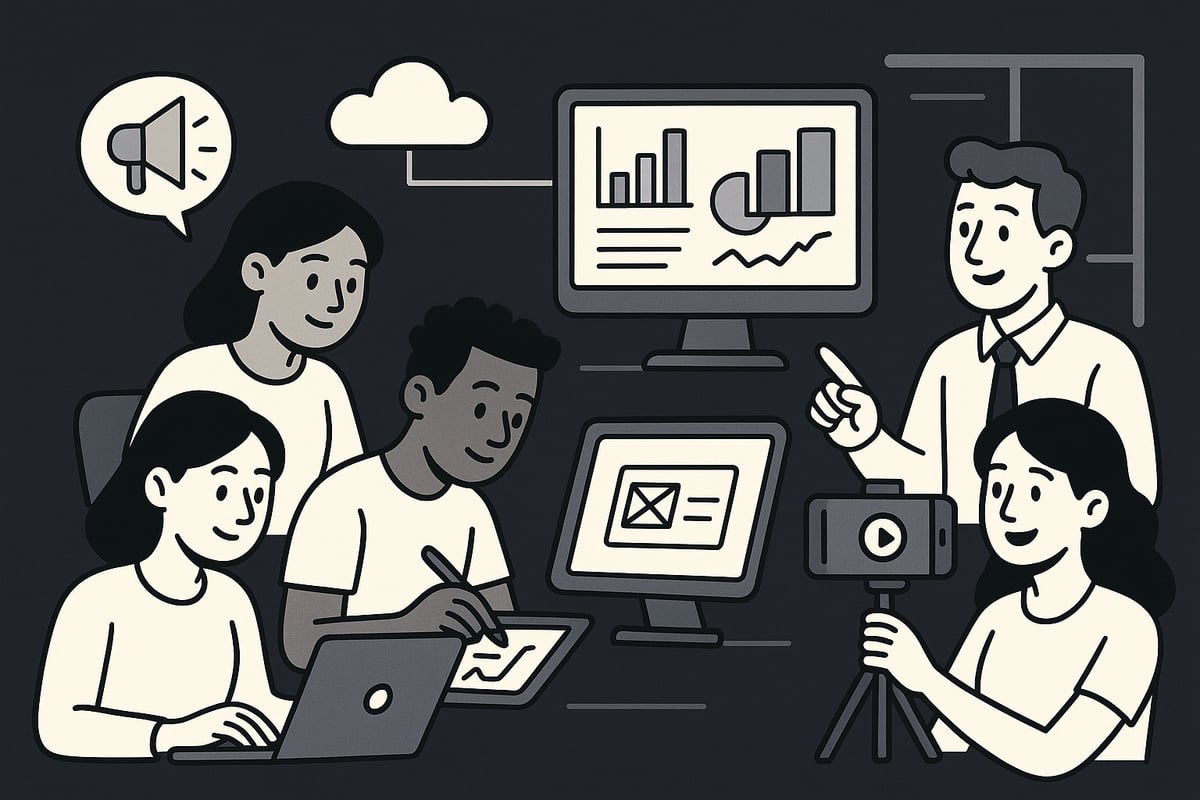
In-demand digital roles for 2025:
| Role | Core Skills | Typical Employers |
|---|---|---|
| Digital Marketer | SEO, analytics, content creation | Agencies, brands |
| SEO Specialist | Keyword research, on-page optimisation | E-commerce, publishers |
| Content Creator | Video, blogs, social media | Media, businesses |
| UX Designer | Design thinking, prototyping, testing | Tech firms, consultancies |
| Data Analyst | Data visualisation, Python, Excel | Finance, retail |
| E-commerce Manager | Platform management, conversion, ads | Retailers, start-ups |
Hybrid roles are also becoming the norm. Positions now often blend marketing, design, analytics, and tech, reflecting the integrated nature of the into digital landscape. Professionals who can adapt and collaborate across disciplines find themselves at the forefront of innovation.
Gaining practical experience is essential. Internships, volunteering, and side projects let you build hands-on skills and showcase your talent. For example, many have started by managing social channels for local businesses or launching their own online portfolio, leading to full-time opportunities into digital fields.
Formal education and industry certifications add credibility. Digital marketing degrees, UX bootcamps, and certifications from platforms like Google, HubSpot, and LinkedIn Learning are highly valued by employers. Many graduates have used these credentials for successful career pivots, moving from unrelated roles into digital positions that offer flexibility and advancement.
The sector faces a well-documented talent shortage. According to Digital skills gap statistics 2025, the gap is costing UK businesses millions each year, yet it also creates tremendous opportunity for proactive jobseekers. High employment rates and competitive salaries are common, especially for those with up-to-date skills.
Remote and flexible work are now standard across the into digital sector. Many companies offer hybrid or fully remote positions, supporting a better work-life balance and access to global job markets. This flexibility appeals to both new graduates and experienced professionals alike.
Tips for standing out in the digital job market:
- Build a strong digital portfolio (website, blog, or LinkedIn profile).
- Stay current with trends and upskill regularly.
- Network through online communities and industry events.
- Tailor CVs and cover letters to each application, highlighting your into digital achievements.
- Seek mentorship and feedback to refine your approach.
In summary, the path into digital careers is open to anyone willing to learn, adapt, and showcase their abilities. By combining technical expertise, creativity, and a proactive attitude, you can secure a future-proof role in this expanding field.
Future-Proofing Your Digital Strategy: Adaptation and Growth
Navigating the rapid evolution of the into digital environment requires a proactive and adaptable mindset. Change is constant, so organisations and individuals must be ready to pivot their strategies quickly. Whether you are a business leader or a digital professional, staying competitive means anticipating what is next and responding with agility.
Embracing Change and Continuous Learning
Success in the into digital world hinges on a commitment to lifelong learning. The digital skills gap remains a pressing issue, with organisations facing significant costs due to unfilled roles and outdated expertise. Upskilling through targeted training and certifications is essential for future-proofing both careers and business operations. According to Bridging the digital skills gap, companies that invest in ongoing learning are better equipped to adapt to technological shifts and market changes.
Embracing experimentation also fosters innovation. Leading brands encourage teams to test new tools and strategies, learning from both successes and failures. This culture of curiosity allows businesses to stay ahead in the rapidly shifting into digital ecosystem.
Harnessing Emerging Technology
Adapting to the latest technological advancements is vital for growth. Artificial intelligence, automation, and cloud computing are reshaping how organisations operate and engage with customers. For example, AI-driven analytics can quickly surface insights, allowing teams to refine digital campaigns in real time.
Companies that leverage these tools gain a competitive edge by delivering smarter, more personalised experiences. In the into digital era, staying informed about tech trends and integrating them strategically is key to maintaining relevance.
Prioritising Ethics and Digital Trust
With increased digital activity comes heightened scrutiny around privacy, data security, and ethical responsibility. Consumers are more aware of how their information is used and demand transparency from brands. Building digital trust requires adopting best practices for data protection, clear communication, and responsible innovation.
Organisations must integrate ethical considerations into every aspect of their into digital strategy, from product design to marketing. This not only protects reputation but also fosters long-term loyalty and resilience.
Building Resilience and Measuring Success
Future-proofing means diversifying digital channels and revenue streams. Relying on a single platform or tactic exposes businesses to greater risk if algorithms or market conditions change suddenly. Savvy organisations balance their into digital presence across multiple touchpoints, ensuring stability and flexibility.
Regularly analysing performance metrics helps pinpoint what works and what needs adjustment. Agile companies use these insights to iterate quickly, maximising ROI and seizing new opportunities. As market leaders have shown, those who adapt fastest often emerge strongest from disruption.
Ultimately, agility and openness to change are the cornerstones of lasting success in the into digital landscape. By prioritising continuous learning, ethical responsibility, and strategic experimentation, both individuals and businesses can thrive in 2025 and beyond.
Resources and Next Steps: Your Digital Action Plan for 2025
In 2025, thriving in the into digital landscape demands a clear, actionable strategy. Whether you are an individual or a business, structured planning ensures you can adapt to rapid changes and seize emerging opportunities. Here is how to take control of your digital future.
Step-by-Step Action Plan
To succeed in the into digital world, follow this step-by-step action plan:
- Assess Your Current Digital Skills: Review your strengths and weaknesses. Identify gaps using skills assessments or feedback from peers.
- Set Clear Digital Goals: Define what you want to achieve in 2025, such as launching a new project or mastering a specific tool.
- Choose Upskilling Pathways: Select relevant online courses, certifications, or workshops. For insights on bridging skills gaps, see the Impact of IT skills gap on organizations.
- Build Your Portfolio and Brand: Update your website, blog, or social profiles to reflect your expertise and achievements.
- Optimise Platforms and Tools: Ensure your website is mobile-friendly, accessible, and search-optimised.
- Network and Engage: Join digital communities, attend webinars, and connect with mentors.
- Monitor and Adapt: Use analytics to track progress, adjusting your strategy as needed.
Breaking your journey into these steps helps you approach into digital growth methodically.
Curated Resources for 2025
Staying ahead in the into digital era means leveraging the right resources. Here are top picks to accelerate your learning and engagement:
- Online Courses: Google Digital Garage, HubSpot Academy, LinkedIn Learning, and Semrush Academy.
- Industry Blogs & Insights: Moz Blog, Social Media Examiner, Content Marketing Institute.
- Communities: Reddit’s Big SEO, Facebook’s Social Media Geekout, and LinkedIn Groups.
- Events: Attend virtual and in-person conferences like Digital Marketing World Forum or Web Summit.
- Skill Trends: Explore the Top digital skills for U.S. job market 2025 to inform your learning path.
Combining these resources ensures your into digital toolkit remains current and comprehensive.
Sample 90-Day Into Digital Growth Plan
A focused 90-day plan can jump-start your into digital progress. Here is a sample roadmap:
| Weeks | Focus Area | Key Actions |
|---|---|---|
| 1-2 | Skills Assessment | Complete self-audit, set goals |
| 3-6 | Learning & Certifications | Enrol in online courses, earn badges |
| 7-10 | Portfolio Development | Update website, publish content |
| 11-12 | Networking & Feedback | Join events, seek mentor advice |
| 13 | Analytics Review | Measure progress, adjust strategy |
This structured approach makes the into digital transformation manageable and measurable.
Staying Motivated and Accountable
Maintaining momentum in your into digital journey requires discipline and support. Set weekly check-ins with yourself or a peer. Celebrate milestones, no matter how small. Join accountability groups or mastermind sessions for encouragement.
Keep a progress journal or digital tracker to visualise your advancement. Engaging with digital communities provides both inspiration and practical advice.
Your Into Digital Journey Starts Now
The path into digital success is ongoing, but every step you take builds resilience and expertise. Embrace continuous learning, experimentation, and collaboration to stay ahead.
Remember, 2025 is yours to shape. Start your into digital journey today, and transform challenges into opportunities for growth.